Taking financial risks for reward is requirement for many entrepreneurs and it is the risks involved that are most frightening, preventing many from taking the first steps to business ownership. Cost of living is rising, big corporations are reporting record profits year on year and managers and executives are receiving huge bonuses as a result.
What happens to the army of employees who are making these results possible by performing the required tasks day in day out? The reward for them is to be employed, to have job security with record low wage growth. It is no wonder why people are increasingly looking to be their own boss, let’s discuss the different business models paths you can take to be your own boss.
Ecommerce
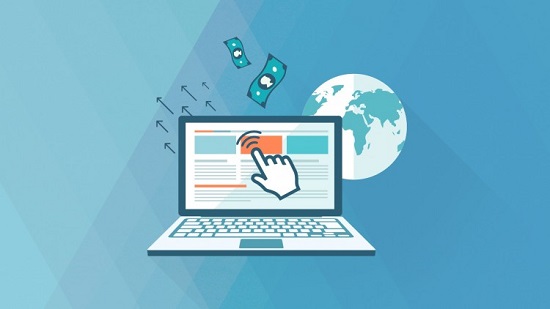
Ecommerce is defined by the buying or selling of products or services via the Internet. Through Internet technology advancement and improvement to access speed, ecommerce has become part of a daily routine to many Australians. From paying bills online, to finding products across the globe, the ease and convenience it brings gives ecommerce businesses a big slice of the entrepreneur pie. For example, an ecommerce comparison website that compares cleaning quotes from different cleaning businesses, the advantages are low overheads, ability to overcome geographical limitations, being open 24/7 and the convenience it provides makes ecommerce the preferred business model.
Service business

Businesses that are paid to provide a service are known as a service business. These businesses can consist of trade, entertainment, hire, etc. Service businesses allow owners to become their own boss and provide flexibility enabling them to dictate their own hours. There is a need for storage of necessary equipment and more expenses associated to the maintenance of equipment, business insurance and so on, however there is the advantage to store equipment at one’s home and eliminating rental of retail space which can be costly. Service businesses attract the local market; let’s take an electrical business providing local electrical services, they will need to market to the local community as well as having an online presence for potential customers to find out what services they provide, ability to book online, which brings it back to some form of ecommerce engagement.
Brick and Mortar
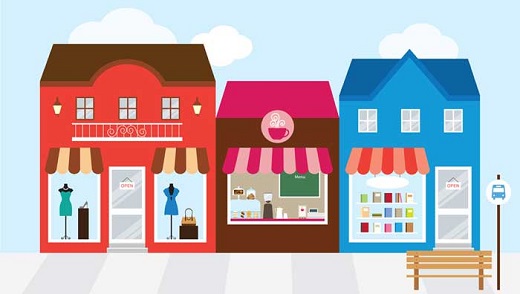
Retail outlets including restaurants, fashion retailers, car dealerships and miscellaneous specialty stores all have one thing in common, a shop front that requires the commitment of expensive rent, is limited by the geographical area, requires customers to walk in the door, require employees regardless if there are customers or not. This business model has the highest costs associated with start-up and ongoing expenses. However, some may argue that brick and mortar retailers are far from dead with more people supporting local business to better local communities. Let’s take a tyre and wheel retail store for example, some people prefer a showroom to see and feel the quality of a product, to ask for expert knowledge from someone you can trust and service is another part of it that attracts consumers before investing in products.